

Japan has once again become one of the world’s hottest travel destinations. After years of pandemic-related restrictions, millions of international visitors are returning to experience the country’s vibrant cities, ancient temples, world-famous cuisine, and breathtaking natural beauty.
Hotels are reporting record occupancy, airlines have increased flight schedules, and shopping districts are packed with tourists spending freely. The country’s tourism industry is enjoying one of its strongest recoveries in years.
Yet behind this remarkable comeback lies a surprising reality. While many sectors are thriving, one important part of Japan’s economy is still struggling to benefit from the tourism rebound. The question many experts are asking is: Back in business? The key sector missing out on Japan’s tourism reboot may be more important than many realize.
Tourism Numbers Continue to Break Records
Japan’s tourism recovery has exceeded expectations. Favorable exchange rates, simplified visa procedures, and strong international demand have encouraged travelers from across Asia, Europe, North America, and Australia to return in large numbers.
Popular destinations such as Tokyo, Kyoto, Osaka, Hokkaido, and Okinawa continue to welcome huge crowds throughout the year. Visitors are spending money on:
- Hotels and resorts
- Restaurants and cafés
- Shopping malls
- Theme parks
- Transportation
- Cultural attractions
- Local festivals
For many businesses, revenue has finally returned to pre-pandemic levels—or even surpassed them.
The Sector Being Left Behind
Despite the impressive tourism recovery, Japan’s traditional manufacturing sector, especially businesses producing souvenirs, local crafts, and regional products, has not experienced the same level of growth.
Many small manufacturers expected tourism’s return to boost demand for handcrafted goods and locally produced items. Instead, consumer spending patterns have shifted dramatically.
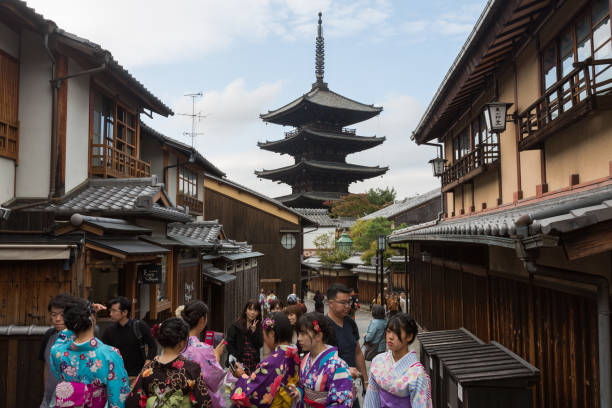
Today’s travelers are increasingly spending their money on experiences rather than physical products.
Instead of purchasing expensive handmade souvenirs, tourists are choosing:
- Luxury dining experiences
- Theme park tickets
- Guided tours
- Cultural workshops
- Digital entertainment
- Premium accommodations
This changing behavior has reduced opportunities for many traditional producers.
Why Tourist Spending Has Changed
Several factors explain why some industries continue to struggle despite growing visitor numbers.
1. Experience Over Possessions
Modern travelers prioritize memorable experiences over shopping.
Many visitors would rather spend money on:
- Michelin-star restaurants
- Tea ceremonies
- Samurai experiences
- Mount Fuji excursions
- Anime attractions
- Cultural performances
While these activities benefit the hospitality and entertainment industries, traditional retailers often receive a smaller share of tourist spending.
2. Online Shopping Has Reduced In-Person Purchases
Tourists can now purchase Japanese products online after returning home.
Luxury cosmetics, electronics, snacks, and even traditional crafts are available through international e-commerce platforms.
As a result, travelers no longer feel pressured to buy everything during their visit.
3. Rising Costs Affect Consumer Budgets
Although the weak yen makes Japan attractive to foreign visitors, global inflation still affects travelers’ budgets.
Many tourists carefully manage their expenses by focusing on accommodation, transportation, and dining while limiting discretionary shopping.
Rural Communities Feel the Impact
Japan has invested heavily in encouraging tourists to explore rural regions beyond Tokyo and Kyoto.
Many smaller towns hoped tourism would revive local economies through sales of:
- Traditional ceramics
- Handmade textiles
- Wooden crafts
- Local food specialties
- Artisan products
However, visitor spending remains concentrated in larger cities.
Tourists often make short visits to rural areas before returning to major urban centers, leaving local businesses with fewer opportunities to generate meaningful sales.
Labor Shortages Continue to Challenge Growth
Even businesses benefiting from tourism face another major obstacle: labor shortages.
Japan’s aging population has created difficulties for hotels, restaurants, transportation providers, and retail stores trying to meet growing demand.
Many employers struggle to recruit enough workers during peak travel seasons.
Without sufficient staffing, businesses may limit operating hours or reduce services, slowing overall economic growth.
Can Traditional Industries Adapt?
Experts believe the solution is not simply attracting more tourists—it is encouraging visitors to spend differently.
Several strategies could help traditional industries recover.
Improve Digital Marketing
Many local artisans still rely heavily on physical stores.
Expanding online marketing through social media and multilingual websites can introduce regional products to international audiences before travelers even arrive.
Create Interactive Experiences
Instead of only selling products, businesses can offer memorable experiences.
Examples include:
- Pottery workshops
- Traditional cooking classes
- Kimono dressing experiences
- Sake brewery tours
- Craft-making sessions
Visitors often value experiences that allow them to create lasting memories while supporting local communities.
Better Regional Promotion
Tourism campaigns can highlight lesser-known destinations instead of focusing only on Japan’s major cities.
Improved transportation and targeted advertising may encourage longer stays in rural regions.
Government Support Could Make a Difference
Japan’s government continues investing in tourism infrastructure while encouraging regional economic development.
Support programs may include:
- Grants for small businesses
- Digital transformation initiatives
- Export assistance
- Marketing campaigns promoting regional attractions
- Workforce development programs
Such measures could help ensure tourism benefits more sectors of the economy rather than only large urban businesses.
Opportunities for Sustainable Tourism
Another growing trend is sustainable tourism.
Many travelers now seek authentic experiences that support local communities and preserve cultural heritage.
This presents an opportunity for traditional industries to reposition themselves.
Instead of competing on price alone, artisans can emphasize:
- Handmade quality
- Cultural authenticity
- Environmental sustainability
- Limited-edition craftsmanship
- Local storytelling
These qualities appeal to travelers looking for meaningful purchases rather than mass-produced souvenirs.
The Future of Japan’s Tourism Economy
Japan’s tourism outlook remains highly positive.
International visitor numbers are expected to remain strong as airlines expand routes and global travel demand continues growing.
However, long-term success will depend on how evenly tourism benefits are distributed across the economy.
If smaller manufacturers, artisans, and rural businesses continue missing out, the recovery could become increasingly concentrated among hotels, restaurants, airlines, and major retail chains.
Creating stronger links between tourism and traditional industries will be essential for building a more balanced and resilient economy.
Final Thoughts
The story behind Back in business? The key sector missing out on Japan’s tourism reboot highlights an important economic challenge. Japan has successfully welcomed tourists back in record numbers, but not every business has shared equally in the recovery.
While hospitality, transportation, and entertainment continue to flourish, many traditional manufacturers and rural producers remain under pressure as consumer preferences evolve toward experiences rather than products.
For Japan to maximize the full benefits of its tourism revival, policymakers, businesses, and local communities must work together to ensure that the country’s rich cultural heritage, artisan industries, and regional economies become an integral part of every visitor’s journey.