

Japan has long been celebrated for its incredible food culture, from fresh sushi and flavorful ramen to comforting bowls of udon and crispy tempura. However, for travelers and residents who follow a gluten-free diet, enjoying authentic Japanese cuisine has often been challenging. Today, that story is changing. Bringing gluten-free concepts and cuisine to Japan is becoming an exciting movement that combines traditional flavors with modern dietary needs.
As international tourism continues to grow and awareness of food allergies and celiac disease increases, Japanese restaurants, bakeries, and food producers are embracing gluten-free alternatives without sacrificing taste or authenticity. This transformation is making Japan a more welcoming destination for millions of people around the world.
Why Gluten-Free Dining Matters
Gluten is a protein found in wheat, barley, and rye. While many people choose a gluten-free lifestyle for personal reasons, others must avoid gluten because of medical conditions such as celiac disease or gluten intolerance.
For years, Japan presented unique challenges because wheat is commonly used in many everyday ingredients, including:
- Soy sauce
- Ramen noodles
- Udon
- Tempura batter
- Bread and pastries
- Many sauces and seasonings
Even dishes that appear naturally gluten-free can contain hidden wheat ingredients, making careful preparation essential.
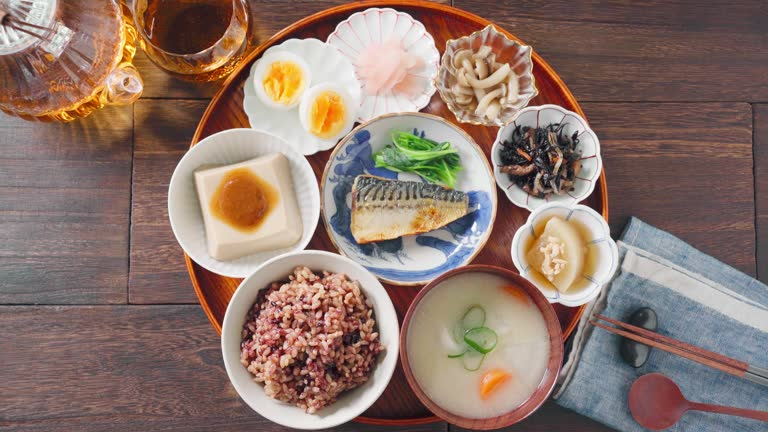
Fortunately, awareness is steadily improving, and restaurants are taking steps to offer safer dining experiences.
The Growing Demand for Gluten-Free Cuisine in Japan
The demand for gluten-free food has grown significantly over the past decade. Several factors have contributed to this trend:
Rising International Tourism
Millions of international visitors travel to Japan every year. Many arrive with dietary requirements that include gluten-free, vegetarian, vegan, or allergy-friendly meals. Restaurants have recognized that offering inclusive menus allows them to serve a broader audience.
Greater Health Awareness
Japanese consumers are also becoming more interested in healthier eating habits. Although gluten-free food is not necessary for everyone, some people choose it as part of their wellness lifestyle.
Increased Understanding of Food Allergies
Medical awareness regarding celiac disease and gluten sensitivity has encouraged restaurants and food manufacturers to improve ingredient transparency and food preparation standards.
Traditional Japanese Foods That Are Naturally Gluten-Free
One of the biggest surprises for many visitors is that several traditional Japanese foods are naturally gluten-free when prepared with the right ingredients.
Some excellent examples include:
Fresh Sushi and Sashimi
Fresh fish served without soy sauce or with certified gluten-free soy sauce can be a safe and delicious option.
Rice
Rice is the heart of Japanese cuisine and naturally contains no gluten. It serves as the foundation for countless meals.
Mochi
Traditional mochi made from glutinous rice is actually gluten-free despite its name. The word “glutinous” refers to its sticky texture rather than gluten content.
Yakitori
Grilled chicken skewers seasoned simply with salt are often gluten-free, while sauces should always be checked carefully.
Grilled Seafood
Fresh grilled fish prepared with simple seasonings is another naturally gluten-free favorite.
The Biggest Challenges in Bringing Gluten-Free Concepts and Cuisine to Japan
Although progress has been impressive, several challenges remain.
Hidden Gluten in Soy Sauce
Traditional soy sauce usually contains wheat, making it one of the most common hidden sources of gluten in Japanese cooking.
Many restaurants now offer gluten-free tamari or specially produced gluten-free soy sauces, giving diners safer alternatives.
Cross-Contamination
Even when gluten-free ingredients are available, shared cooking equipment can create risks for individuals with celiac disease.
Dedicated preparation areas and separate cooking utensils are becoming increasingly important in professional kitchens.
Language Barriers
International visitors sometimes struggle to communicate dietary restrictions.
Fortunately, many restaurants now provide:
- English menus
- Allergy charts
- Gluten-free icons
- QR code menus with ingredient information
These improvements help guests make informed choices.
How Restaurants Are Adapting
Restaurants throughout Japan are becoming increasingly creative in developing gluten-free menus while preserving authentic Japanese flavors.
Gluten-Free Ramen
Perhaps the most exciting innovation is gluten-free ramen made from:
- Rice flour
- Brown rice
- Millet
- Potato starch
- Other gluten-free grains
These noodles closely resemble traditional ramen while remaining suitable for gluten-sensitive diners.
Gluten-Free Tempura
Instead of wheat flour, chefs now experiment with rice flour and potato starch to achieve the familiar light, crispy texture.
Gluten-Free Bakeries
Dedicated bakeries are producing:
- Bread
- Cakes
- Cookies
- Croissants
- Muffins
using rice flour and alternative grains that maintain excellent taste and texture.
Gluten-Free Innovation Across Japan
Major cities are leading this culinary transformation.
Tokyo
Tokyo offers the largest selection of gluten-free restaurants, specialty bakeries, and allergy-friendly cafés. Many establishments specifically cater to international travelers.
Kyoto
Traditional cuisine is being adapted with modern techniques, allowing visitors to experience authentic Japanese dining without compromising dietary needs.
Osaka
Known as Japan’s food capital, Osaka has introduced numerous gluten-free options while maintaining its famous street-food culture.
Benefits for the Japanese Food Industry
Bringing gluten-free concepts and cuisine to Japan provides several important advantages.
Expanding Tourism
Visitors with dietary restrictions are more likely to travel confidently when they know safe dining options are available.
Business Growth
Restaurants that accommodate gluten-free diners attract a wider customer base, including families and international guests.
Global Recognition
Japanese cuisine continues to gain worldwide popularity, and offering gluten-free alternatives helps strengthen its international appeal.
Culinary Innovation
Chefs are discovering new ingredients and techniques that inspire creativity while respecting traditional cooking methods.
Tips for Travelers Looking for Gluten-Free Food in Japan
If you’re planning a trip to Japan, these tips can make your experience easier.
- Learn a few Japanese phrases related to food allergies.
- Carry a gluten-free translation card explaining your dietary needs.
- Ask about soy sauce and cooking ingredients.
- Choose restaurants that clearly label allergens.
- Research gluten-free restaurants before your trip.
- Bring emergency snacks for long travel days.
Preparation can make a huge difference and allow you to enjoy Japan’s incredible food culture with greater confidence.
The Future of Gluten-Free Cuisine in Japan
The future looks promising. As consumer awareness grows and international tourism continues to expand, more restaurants are expected to introduce gluten-free menus.
Food manufacturers are also developing innovative products made with:
- Rice flour
- Buckwheat
- Millet
- Sorghum
- Alternative starches
Technology is further improving ingredient tracking and menu transparency, making it easier for diners to identify safe meals.
Government initiatives supporting tourism and hospitality are also encouraging businesses to become more inclusive by providing better allergen information and multilingual services.
Final Thoughts
Bringing gluten-free concepts and cuisine to Japan is more than simply replacing wheat with alternative ingredients. It represents a broader commitment to hospitality, accessibility, and culinary innovation.
Japan’s rich food traditions remain at the heart of this movement, while modern chefs continue finding creative ways to welcome everyone to the table. From gluten-free ramen and crispy tempura to dedicated bakeries and allergy-friendly restaurants, the country is proving that exceptional cuisine can be both authentic and inclusive.
Whether you’re a traveler with celiac disease, someone following a gluten-free lifestyle, or simply curious about evolving food trends, Japan is steadily becoming one of the world’s most exciting destinations for gluten-free dining. As awareness continues to grow, bringing gluten-free concepts and cuisine to Japan will undoubtedly shape the future of its vibrant culinary landscape while preserving the traditions that make Japanese food beloved around the globe.