

Technology has always changed the way people work. From the invention of the steam engine to the rise of the internet, every major technological breakthrough has reshaped industries, created new opportunities, and eliminated outdated ways of doing things. Today, artificial intelligence (AI), automation, robotics, and digital transformation are once again changing the global workforce at an unprecedented pace.
Many people fear that technology will replace human workers entirely. Headlines often warn about robots taking jobs, AI writing content, and automation reducing the need for employees. While these concerns are understandable, they only tell part of the story. Instead of viewing technology as a threat, it may be time to rethink our perspective on jobs and technology.
The future of work isn’t about humans versus machines. It’s about humans working alongside technology to become more productive, creative, and innovative.
Technology Has Always Changed Jobs
History shows that every technological revolution has sparked concerns about job losses. During the Industrial Revolution, machines transformed manufacturing, replacing many manual labor tasks. Later, computers automated office work, reducing the need for paperwork while creating entirely new careers in software development, IT, and digital services.
The internet also reshaped employment. Jobs such as social media manager, app developer, digital marketer, content creator, and cybersecurity specialist didn’t exist just a few decades ago.
The lesson is clear: technology changes jobs more often than it eliminates work altogether.
Why People Fear New Technology
The rapid growth of artificial intelligence has intensified concerns about the future of employment. AI tools can now generate text, analyze data, create images, write computer code, and even assist in medical research.
For workers performing repetitive tasks, this can feel threatening.
Common fears include:
- Losing employment to automation.
- Lower wages due to AI efficiency.
- Reduced demand for certain professions.
- Difficulty adapting to new technologies.
These concerns deserve attention, but they don’t represent the complete picture.
Technology Creates New Opportunities
While automation replaces routine tasks, it also creates entirely new industries.
Consider how smartphones transformed the economy. Before smartphones became mainstream, there were no app developers, ride-sharing drivers, mobile game designers, influencer marketers, or app-based delivery services.
Similarly, AI is creating careers such as:
- AI Prompt Engineers
- Machine Learning Specialists
- AI Ethics Consultants
- Automation Experts
- Data Scientists
- AI Trainers
- Digital Transformation Managers
- Cybersecurity Analysts
Many companies now seek employees who understand how to use AI tools effectively rather than replace human workers completely.
Humans Still Have Unique Strengths
Despite impressive advances in artificial intelligence, machines still lack qualities that define human intelligence.
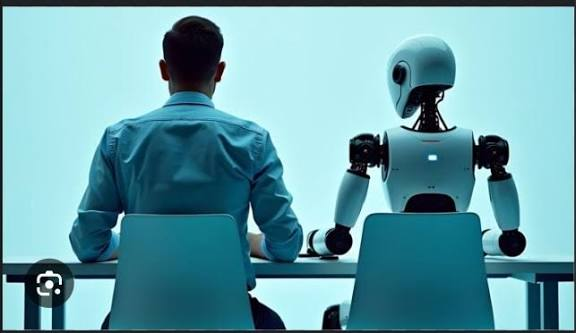
People possess:
Creativity
Innovation often comes from imagination rather than data. Artists, writers, architects, designers, entrepreneurs, and inventors rely on creativity that technology can assist but rarely replace.
Emotional Intelligence
Healthcare professionals, teachers, counselors, psychologists, and customer service representatives depend heavily on empathy and emotional understanding.
AI cannot genuinely understand human emotions the way people do.
Critical Thinking
Complex decision-making often requires ethical judgment, context, and experience.
Business leaders frequently evaluate risks, company culture, market conditions, and long-term strategies that extend beyond data analysis.
Relationship Building
Sales professionals, managers, consultants, and business owners succeed because of trust and communication.
Strong relationships remain one of the most valuable assets in any profession.
The Rise of Human-AI Collaboration
Instead of replacing workers, many businesses now use AI to improve productivity.
Examples include:
- Doctors using AI to detect diseases earlier.
- Lawyers using AI to review legal documents.
- Journalists researching stories faster.
- Engineers automating repetitive calculations.
- Teachers creating personalized learning materials.
- Software developers using AI coding assistants.
In these situations, technology acts as an assistant rather than a replacement.
The combination of human expertise and AI often produces better results than either could achieve alone.
Learning New Skills Is More Important Than Ever
As technology evolves, lifelong learning becomes essential.
The most successful professionals are not necessarily those with the highest degrees but those willing to adapt.
Some valuable future-ready skills include:
Digital Literacy
Understanding modern software, AI tools, cloud computing, and online collaboration platforms can significantly improve career prospects.
Problem Solving
Organizations value employees who can identify challenges and develop practical solutions.
Communication
Strong communication remains one of the most valuable workplace skills.
People who explain ideas clearly often become leaders.
Adaptability
Technology changes rapidly.
Professionals who embrace change typically outperform those who resist it.
Continuous Learning
Online courses, certifications, webinars, and workshops make learning easier than ever.
Developing new skills regularly helps individuals remain competitive in a changing job market.
Businesses Must Adapt Too
Organizations also need to rethink how they approach technology.
Instead of replacing employees whenever automation becomes available, companies should focus on reskilling and upskilling their workforce.
Investing in employee training offers several benefits:
- Higher productivity
- Better employee retention
- Improved innovation
- Stronger company culture
- Increased competitiveness
Many leading organizations now prioritize digital transformation while ensuring employees receive the necessary training.
Governments and Education Have Important Roles
Preparing future workers requires cooperation among governments, schools, universities, and businesses.
Educational institutions should emphasize:
- Digital skills
- Artificial intelligence awareness
- Coding fundamentals
- Financial literacy
- Communication
- Entrepreneurship
Governments can also support workers through retraining programs and workforce development initiatives that help individuals transition into emerging industries.
The Future Workplace Will Look Different
The workplace of tomorrow will likely feature:
- Greater automation of repetitive tasks.
- Increased remote and hybrid work opportunities.
- AI-powered productivity tools.
- Personalized employee training.
- Greater demand for creative and strategic thinking.
- More freelance and digital careers.
Rather than reducing human value, these changes may allow workers to focus on higher-level responsibilities while technology handles routine work.
A Positive Perspective on Change
Fear often accompanies major technological shifts, but history consistently shows that innovation creates opportunities alongside challenges.
Instead of asking whether technology will replace us, perhaps the better question is:
“How can we use technology to become even more valuable?”
Professionals who embrace learning, remain adaptable, and develop uniquely human skills will likely thrive in the years ahead.
Technology should be viewed as a powerful tool that expands human potential rather than a force that diminishes it.
Conclusion
It is truly time to rethink our perspective on jobs and technology. Artificial intelligence, automation, and digital innovation are transforming workplaces around the world, but they are also creating exciting opportunities for growth, creativity, and collaboration.
Success in the future job market will depend less on competing with machines and more on learning how to work alongside them. Individuals who continue developing their skills, embrace lifelong learning, and leverage technology effectively will remain valuable in an increasingly digital world.
Rather than fearing technological progress, we should see it as an opportunity to build smarter careers, stronger businesses, and a more innovative global economy. The future of work belongs not to technology alone, but to people who know how to harness its full potential.