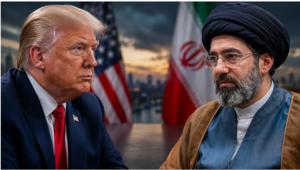
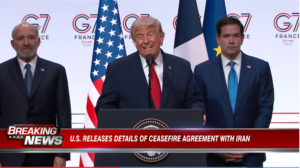
US and Iran sign initial deal to end war , finally the war going to end
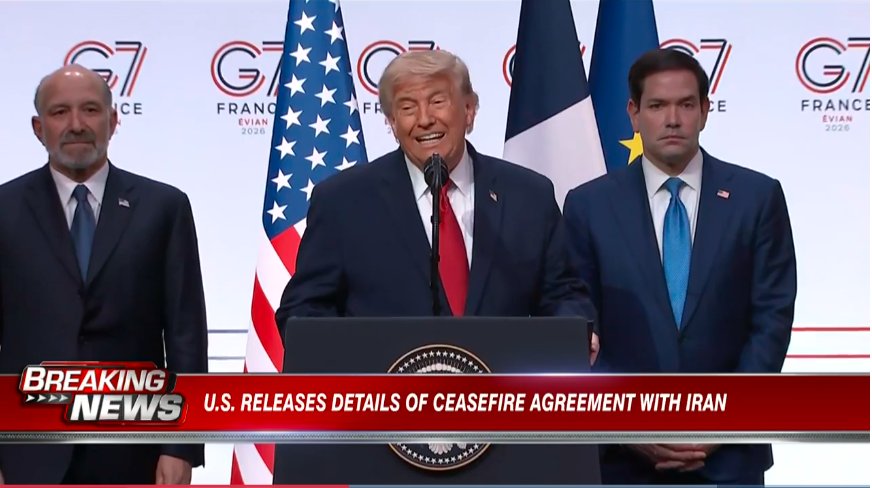
Historic US-Iran Agreement Marks a Major Diplomatic Breakthrough
In a development that could reshape the political and economic landscape of the Middle East, the United States and Iran have signed an initial agreement aimed at ending months of conflict, easing economic sanctions, reopening critical shipping routes, and paving the way for further nuclear negotiations.
The preliminary agreement, described by officials as a framework for peace rather than a final settlement, represents one of the most significant diplomatic breakthroughs between Washington and Tehran in decades. The deal comes after months of military tensions, economic disruption, and international concern over the possibility of a wider regional conflict.
While many difficult issues remain unresolved, the agreement has already generated optimism among world leaders, investors, energy markets, and diplomatic observers who view it as a critical step toward stability.
What Is Included in the Initial Agreement?
The memorandum of understanding reportedly establishes a framework for ending hostilities while allowing negotiators to continue discussions on Iran’s nuclear program and long-term sanctions relief. According to officials familiar with the negotiations, the agreement includes several major commitments from both sides.
Key elements include:
- Immediate cessation of military operations.
- Reopening of the Strait of Hormuz.
- Gradual lifting of maritime restrictions.
- Temporary sanctions relief for Iran.
- Resumption of Iranian oil exports.
- Release of frozen Iranian assets.
- A 60-day negotiation period for a final agreement.
- Continued nuclear discussions under international supervision.
Although the agreement does not permanently resolve all disputes, it establishes a roadmap for future diplomacy.
A Turning Point After Months of Conflict
The road to this agreement has been long and difficult.
Relations between the United States and Iran have remained tense for years due to disagreements over Iran’s nuclear activities, economic sanctions, regional influence, and security concerns. Earlier military confrontations significantly increased fears of a broader conflict that could destabilize the Middle East and disrupt global trade.
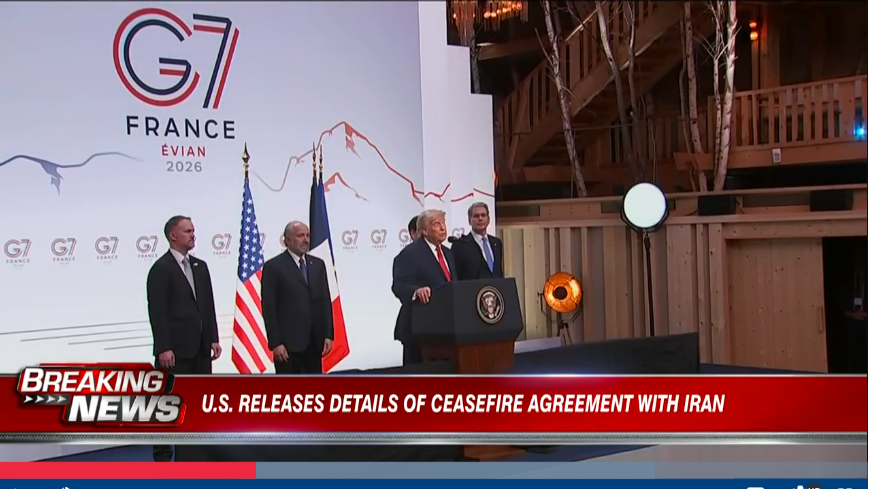
The recent war affected shipping routes, energy supplies, and financial markets worldwide. As hostilities intensified, pressure mounted on both governments to find a diplomatic solution. International mediators and regional partners played an important role in encouraging dialogue and helping bridge differences between the two sides.
The signing of this initial agreement suggests that both countries are willing to explore diplomacy rather than continued confrontation.
Reopening the Strait of Hormuz
One of the most important aspects of the agreement is the reopening of the Strait of Hormuz.
The strategic waterway serves as one of the world’s most critical energy corridors. A significant percentage of global oil exports pass through the strait every day. Any disruption in this route can immediately affect oil prices, shipping costs, and economic stability worldwide.
Under the agreement, Iran has committed to restoring commercial maritime traffic while the United States begins removing restrictions affecting Iranian ports and shipping operations. The reopening process is expected to occur gradually as security conditions improve.
For global markets, this provision may be one of the most economically important parts of the entire deal.
Impact on Global Oil Markets
Energy markets reacted positively to news of the agreement.
Investors have closely monitored developments in the Persian Gulf because disruptions in the Strait of Hormuz often trigger concerns about supply shortages. The prospect of normal shipping operations and increased Iranian oil exports has eased fears of prolonged market instability.
Analysts believe that additional Iranian oil entering international markets could help stabilize prices and improve global energy supplies. Some market experts suggest that lower transportation risks and improved supply chains may benefit consumers and businesses worldwide.
For countries heavily dependent on imported energy, the agreement could provide much-needed relief after months of uncertainty.
Sanctions Relief Brings Economic Opportunities
Another major component of the deal involves easing economic pressure on Iran.
For years, international sanctions have significantly limited Iran’s access to global financial systems and energy markets. The preliminary agreement allows for certain sanctions waivers and creates a pathway toward broader economic normalization if negotiations continue successfully.
The agreement reportedly includes:
Oil Export Waivers
Iran may be allowed to resume larger-scale oil exports under specific conditions. Increased oil sales could generate billions of dollars in revenue for the Iranian economy.
Release of Frozen Assets
The United States is expected to permit access to certain Iranian assets frozen abroad. These funds could support economic recovery efforts and infrastructure investments.
Investment Opportunities
The framework also discusses long-term economic cooperation and potential reconstruction programs that could attract international investment if a final agreement is reached.
For Iran, these economic measures represent some of the most significant incentives included in the negotiations.
Nuclear Talks Remain the Biggest Challenge
Despite progress on economic and security issues, Iran’s nuclear program remains the most sensitive topic.
The initial agreement does not fully resolve nuclear disputes. Instead, it establishes a 60-day period during which negotiators will work toward a comprehensive settlement addressing enrichment activities, inspections, verification procedures, and long-term compliance measures.
Iran has reportedly reaffirmed that it does not seek nuclear weapons and has agreed to maintain certain limitations while negotiations continue. International monitoring and oversight mechanisms are expected to play a major role in future discussions.
However, experts caution that nuclear negotiations are often highly technical and politically sensitive, making them among the most difficult issues to resolve.
Why the 60-Day Negotiation Period Matters
The agreement establishes a clear timeline for future diplomacy.
During the next 60 days, representatives from both countries will work on a final agreement covering:
- Nuclear activities.
- Sanctions removal.
- Economic cooperation.
- Maritime security.
- Verification and compliance mechanisms.
- International oversight arrangements.
The timeline creates urgency while allowing sufficient time for technical experts and diplomats to negotiate complex details. Both sides may extend the period if additional progress is being made.
The success or failure of these talks could determine whether the current agreement becomes a lasting peace arrangement.
International Reactions
World leaders have largely welcomed the agreement.
Many governments view the deal as an opportunity to reduce regional tensions and strengthen global economic stability. Countries dependent on Middle Eastern energy supplies are particularly supportive of efforts to secure shipping routes and prevent future disruptions.
Financial markets also responded positively to the prospect of increased energy production and reduced geopolitical risk. Several international organizations have encouraged both sides to continue negotiations and build upon the momentum created by the agreement.
At the same time, some policymakers and analysts remain cautious, arguing that significant challenges still lie ahead.
Criticism and Concerns
Not everyone supports the agreement.
Some critics argue that sanctions relief could provide Iran with economic resources before long-term nuclear issues are fully resolved. Others believe that the framework leaves important questions unanswered regarding regional security and enforcement mechanisms.
There are also concerns about implementation.
History has shown that agreements between the United States and Iran can face political opposition from multiple sides. Changes in leadership, domestic politics, or regional developments could complicate efforts to move from a preliminary framework to a permanent settlement.
As a result, many experts emphasize that the agreement should be viewed as an important first step rather than a final resolution.
What Happens Next?
The next phase of negotiations will be crucial.
Diplomats will focus on converting the current memorandum into a comprehensive agreement that addresses the most difficult issues still under discussion. International organizations, including nuclear monitoring agencies, are expected to participate in verification and oversight efforts.
Success will depend on whether both sides can maintain trust, fulfill their commitments, and overcome decades of political distrust.
The coming weeks will likely determine whether this breakthrough becomes a lasting peace agreement or another missed opportunity in the long and complicated relationship between the United States and Iran.
Conclusion
The initial agreement between the United States and Iran represents a significant diplomatic achievement with potential consequences far beyond the Middle East.
By ending hostilities, reopening the Strait of Hormuz, easing sanctions, and creating a framework for continued nuclear negotiations, both countries have taken an important step toward reducing tensions and restoring stability.
While many obstacles remain, the deal offers hope that diplomacy can succeed where conflict has failed. The next 60 days of negotiations will be closely watched by governments, investors, businesses, and citizens around the world.
If successful, this agreement could become one of the most important diplomatic milestones of the decade, influencing regional security, global energy markets, and international relations for years to come.