
What’s in the 14-point draft agreement between the US and Iran
A Potential Breakthrough in One of the World’s Most Tense Relationships
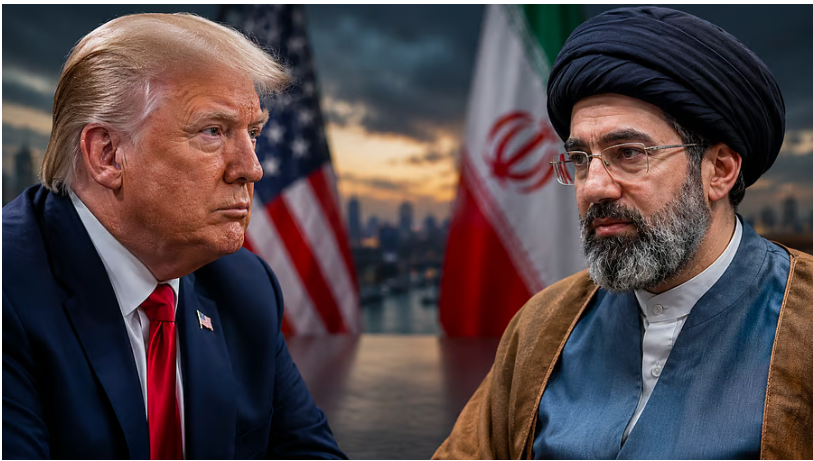
The United States and Iran appear to be moving toward one of the most significant diplomatic agreements in recent years. A draft 14-point memorandum of understanding, expected to serve as the foundation for a broader peace and nuclear agreement, has attracted global attention as both countries seek to reduce tensions and avoid further conflict.
While the agreement is still considered a draft and remains subject to negotiations, it outlines a roadmap that could reshape relations between Washington and Tehran, stabilize the Middle East, and influence global energy markets.
The proposed deal reportedly covers military de-escalation, nuclear commitments, sanctions relief, oil exports, maritime security, and economic reconstruction. If implemented successfully, it could mark a turning point in a relationship that has been defined by decades of hostility.
Why the Agreement Matters
For years, tensions between the United States and Iran have affected regional security, global oil supplies, and international diplomacy. Disputes over Iran’s nuclear program, economic sanctions, military activities, and regional influence have repeatedly brought both sides close to direct confrontation.
The new draft agreement aims to create an immediate framework for peace while allowing negotiators time to work on a comprehensive long-term settlement.
Supporters argue that the deal could reduce the risk of war, restore stability to global energy markets, and create opportunities for economic growth. Critics, however, question whether either side will fully honor its commitments.
The Reported 14 Key Points
1. Immediate End to Hostilities
The agreement reportedly calls for an immediate and permanent end to military operations between the United States, Iran, and their respective allies.
This provision seeks to halt ongoing hostilities and establish a foundation for broader peace negotiations.
2. Respect for Sovereignty
Both countries would formally recognize and respect each other’s sovereignty and territorial integrity.
The clause also commits both sides to avoiding interference in one another’s internal affairs.
3. Sixty-Day Negotiation Window
The draft establishes a 60-day period during which negotiators must work toward a comprehensive final agreement.
The deadline could be extended if both parties agree that additional time is necessary.
4. Reopening Maritime Routes
Iran would immediately reopen the Strait of Hormuz to commercial shipping.
The United States would begin lifting restrictions and blockades affecting Iranian maritime traffic. The reopening of this critical shipping route is considered one of the most important economic components of the agreement.
Why the Strait of Hormuz Is So Important
Nearly one-fifth of the world’s oil supply passes through the Strait of Hormuz.
Any disruption in this waterway can trigger higher fuel prices and create uncertainty in global markets. Reopening the route would likely ease concerns among energy traders and international shipping companies.
5. No New US Sanctions
According to reports, Washington would agree not to impose new sanctions on Iran while negotiations continue.
This would provide a more stable environment for diplomacy and economic planning.
6. Temporary Oil Sanctions Relief
The United States would reportedly grant waivers allowing Iran to resume oil exports and receive revenue from international sales.
This could provide a significant economic boost to Iran’s economy, which has been heavily affected by sanctions.
7. Release of Frozen Assets
One of the most discussed elements of the draft involves access to Iranian assets that have been frozen abroad.
Reports indicate that billions of dollars in restricted funds could be released under specific conditions.
8. Commitment Against Nuclear Weapons
Iran would reaffirm that it will not produce or acquire nuclear weapons.
This commitment is considered one of the central pillars of the agreement and addresses a major concern of the United States and its allies.
9. Nuclear Status Quo
Iran would reportedly agree not to expand its nuclear activities while negotiations continue.
This includes restrictions on enrichment activities and the expansion of nuclear facilities until a final agreement is reached.
10. Management of Enriched Uranium
The draft proposes measures to address Iran’s stockpile of highly enriched uranium.
Negotiators are expected to determine technical procedures and verification mechanisms during the 60-day negotiation period.
11. Long-Term Nuclear Agreement
The memorandum is designed to lead toward a broader and more detailed nuclear agreement.
Future negotiations would establish inspection procedures, enrichment limits, monitoring systems, and compliance requirements.
12. Economic Reconstruction Framework
Reports suggest that a large reconstruction and development initiative worth hundreds of billions of dollars could support investment in Iran’s economy.
The proposed funding would focus on infrastructure, transportation, manufacturing, logistics, and energy projects.
13. Gradual Lifting of Sanctions
The draft outlines a pathway toward lifting US and UN sanctions if both sides comply with the terms of a final agreement.
The process would occur according to a negotiated timeline.
14. International Approval and Oversight
Reports indicate that the final agreement could be submitted for international recognition through established diplomatic channels and potentially involve international oversight mechanisms.
Supporters believe this could strengthen enforcement and provide additional guarantees for both sides.
Potential Economic Impact
The agreement could have major economic consequences beyond the Middle East.
If Iranian oil returns to global markets, energy supplies could increase and help stabilize oil prices. Financial institutions, shipping companies, insurers, and international investors would also closely monitor the outcome.
For Iran, sanctions relief and renewed access to global markets could generate billions of dollars in revenue and encourage foreign investment. For the United States and its partners, the agreement could reduce geopolitical risks that often affect global trade.
Challenges Ahead
Despite optimism surrounding the draft, significant challenges remain.
The most difficult issue continues to be Iran’s nuclear program. Experts note that negotiating verification procedures, uranium enrichment limits, inspection rights, and compliance mechanisms could prove highly complex. Political opposition in both countries may also create obstacles.
Regional allies, lawmakers, and international observers are expected to scrutinize every aspect of the agreement before it becomes final.
Conclusion
The proposed 14-point draft agreement between the United States and Iran represents one of the most ambitious diplomatic efforts in recent years. It combines immediate conflict reduction with a framework for long-term negotiations on nuclear activities, sanctions relief, maritime security, and economic cooperation.
While many details still require negotiation, the draft demonstrates a willingness by both sides to explore a diplomatic path forward. Whether this effort ultimately leads to a lasting agreement will depend on successful negotiations during the coming weeks and the ability of both governments to fulfill their commitments.
For now, the world is watching closely as Washington and Tehran attempt to transform a history of confrontation into an opportunity for dialogue and stability
1 thought on “What’s in the 14-point draft agreement between the US and Iran”